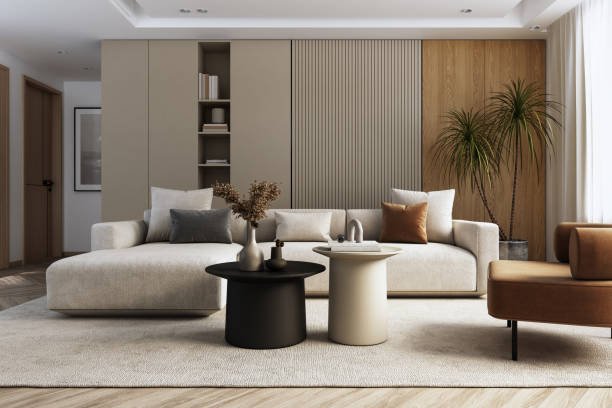
1. Market Snapshot & Growth
-
The global furniture market is booming: valued at USD 568.6 billion in 2024, projected to rise to USD 597.7 billion by 2025, and expected to reach nearly USD 878 billion by 2032 (CAGR ~5.6%) 360iresearch.com+1coherentmarketinsights.com+1fortunebusinessinsights.com.
-
Asia-Pacific dominates, accounting for almost 49% of global revenue in 2024, led by China, India, and Japan .
-
Wooden furniture remains a heavyweight with a market value of USD 592.9 billion in 2024, projected to grow to USD 618 billion in 2025 gminsights.com.
-
The smart furniture segment is surging—valued around USD 218 billion in 2024, with an impressive 14.5% CAGR forecast through 2030 coherentmarketinsights.com+12grandviewresearch.com+12accio.com+12.
2. Drivers & Industry Forces
🌍 A. Urbanization & Rising Incomes
Expanding middle classes and urban growth are boosting demand, especially in residential and commercial segments globhy.com+2mordorintelligence.com+2millioninsights.com+2.
🧩 B. Shifting Work Styles
Remote work and hybrid arrangements are fueling demand for ergonomic, modular, and multifunctional home-office furniture .
♻️ C. Sustainability & Circularity
-
Eco-friendly materials, recycled wood, and renewable materials are increasingly in demand.
-
Circular economy initiatives (e.g., repair/refurbishment, take-back schemes) are gaining momentum. The EU alone could generate an additional €4.9 billion and create over 163,000 jobs by 2030 through circular practices idealhome.co.uk+4accio.com+4reddit.com+4en.wikipedia.org.
-
Ikea’s circular model—pre-owned marketplace and spare-part sales—exemplifies industry change reuters.com.
🔗 D. Tech & Smart Integration
-
AR/VR tools empower online shopping, reducing returns and increasing engagement accio.com+1360iresearch.com+1.
-
Smart furniture (embedded sensors, wireless charging, IoT) is gaining prominence, especially in well-off urban markets mordorintelligence.com+5grandviewresearch.com+5accio.com+5.
3. Design & Consumer Trends for 2025
🎨 A. Personalization & Craftsmanship
-
Customizable elements (fabric, finishes, configuration) are trending .
-
Artisanal, hand-crafted touches like carved wood and retro (‘70s, Art Deco) aesthetics are making a comeback .
🌈 B. Earthy Color Palettes & Nostalgia
-
Warm earth tones, dusty pinks, and golden hues are popular, accompanied by curved silhouettes and vintage-inspired furniture southernliving.com+1bhg.com+1.
🏡 C. Smart-Lux & Practicality
-
Blended comfort aesthetics, multitasking pieces, and smart features (charging docks, sensors) define contemporary living mordorintelligence.com+9360iresearch.com+9accio.com+9.
🚫 D. Rejected “Fast-Furniture”
Designers are pushing back against mass-produced, bulky, and fleeting trend pieces in favor of timeless, sustainable designs idealhome.co.uk.
4. Leading Companies & Sector Dynamics
-
Major global players include IKEA, Ashley Furniture, RH, Williams-Sonoma, La-Z-Boy, Steelcase grandviewresearch.com+1reanin.com+1.
-
High-end fashion brands (Louis Vuitton, Gucci, Hermès) are entering home decor, capitalizing on the projected USD 1 trillion market by 2025 grandviewresearch.com+8architecturaldigest.com+8fortunebusinessinsights.com+8.
-
Consolidation and strategic partnerships are rising—e.g., Ashley Home acquiring Resident Home imarcgroup.com+1barrons.com+1.
-
Regional champions like Bangladesh’s Hatil use automation and sustainable practices to scale efficiently en.wikipedia.org.
5. Challenges Ahead
-
Supply chain risks: Tariffs, geopolitical tensions, and sourcing issues persist—RH has shifted production toward the U.S. and Italy barrons.com.
-
Cost vs. sustainability: Green materials and smart features tend to carry higher production costs and prices.
-
Consumer education: Adoption of repair and circular models requires awareness-building and infrastructure.
-
Online competition: Digital-native brands (e.g., Wayfair) are blending online reach with physical outlets en.wikipedia.org.
6. Outlook & Opportunities
-
The industry is poised for steady & smart-led growth, with strong projections through 2030.
-
Opportunity areas include:
-
Smart, modular home-office solutions
-
Fully circular products built for longevity and recyclability
-
Premium niche—bespoke, luxury, and designer partnerships
-
Immersive digital retail, from virtual showrooms to AI-driven customization.
-
✍️ Conclusion
The furniture industry in 2025 stands at a transformative crossroads—where sustainability, digital innovation, and personalization meet. Brands that embrace eco-first models, smart tech integration, and design-for-life stand to thrive. Conversely, those anchored in unsustainable or transient trends risk being left behind. This is the era of furniture that lasts, adapts, and connects—with our lifestyle and the planet.